

My journey to Munich was a world away from the warmth of Uganda. The cold air hit me the moment I stepped off the plane, a stark contrast to the familiar tropical heat. It was a cold that bit at your cheeks and made you pull your coat tighter, but it was also a cold that felt clean and crisp, promising new adventures.
The city itself was a feast for the eyes, with its picturesque architecture and historic squares. But what truly warmed my heart was a discovery that made me feel right at home: a community of Ugandans selling our native food. Finding chapatis, a simple yet beloved food, was a moment of pure joy. It was a taste of home in an unfamiliar land, a reminder that our culture had found its way across continents.
As the sun set, the city truly came alive. The streets of Munich transformed into a vibrant stage, filled with people laughing, talking, and enjoying the evening. This is where the city’s culinary soul revealed itself in a beautiful mix of tradition and diversity.
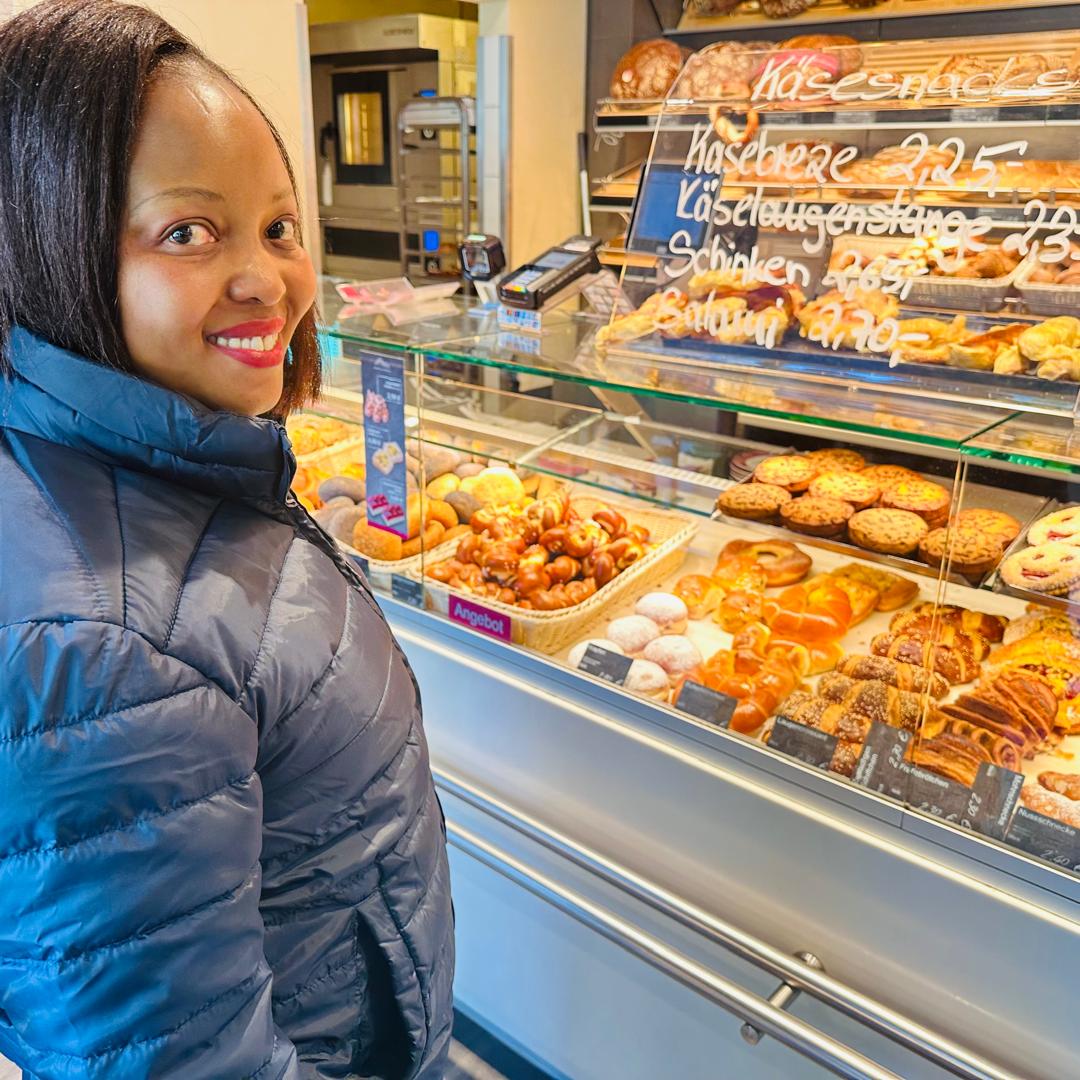
The air was filled with the delicious scent of baked goods. Munich is a city of pastries, and the sheer number of pastry shops was astounding. From the classic Apfelstrudel (apple strudel) to the delicate Kaiserschmarrn (a fluffy shredded pancake), every window display was a work of art, a testament to the German love of sweets and coffee. And coffee, for me, became a nightly ritual—a warm, comforting drink to hold as I people-watched and soaked in the lively atmosphere.
But the culinary landscape was far from one-dimensional. I was captivated by the presence of Turkish food vendors, their bustling stalls serving up savory delights like Döner Kebab. It was clear that this food had found a place in the hearts of the locals, a testament to Munich’s welcoming and multicultural nature. The aroma of spiced grilled meat and fresh bread was irresistible, and it was a pleasure to see how a different culture’s cuisine could be so beloved.




Munich’s own cuisine, known as Bavarian cuisine, is hearty and rich, designed to combat the cold weather and pair perfectly with their world-famous beer. Dishes like Weisswurst (a traditional white sausage, often eaten before noon), Brezen (the iconic pretzel), and Schweinshaxe (a crispy roasted pork knuckle) are staples. They are a celebration of comfort food, and I saw how food here is not just for sustenance but for community, often enjoyed in the lively atmosphere of a beer garden or a cozy inn.
My time in Munich was a journey of flavors, from the comforting taste of home to the discovery of new traditions. It taught me that while the weather and customs may be different, the universal language of food—the joy of sharing a meal, the comfort of a familiar taste, and the excitement of a new one—is a bond that connects us all.