
My journey to France was a tale of two cities, a vibrant tapestry woven with history, culture, and unexpected culinary delights. The first chapter began not in the famous capital, but in the charming, historic city of Angers.
Angers is a town that feels like a living fairytale, a place where the past isn’t just remembered but is an integral part of daily life. It’s a university town, giving it a youthful energy, yet its cobblestone streets and medieval architecture whisper stories of centuries gone by. It’s nestled in the Loire Valley, a region famous for its châteaux and vineyards, and the pace of life here feels distinctly more relaxed than in the bustling metropolises.
The most profound part of my stay was sleeping in a house that was more than two hundred years old. Each creak of the wooden floorboards and every uneven wall felt like a connection to the generations that had lived there before. The house wasn’t just a place to sleep; it was a museum of a life long past, a constant reminder of the deep history that permeates every corner of France.
Our exploration continued with a tour of the magnificent Château d’Angers, a fortress with seventeen towers that dominated the skyline. Walking through its ancient halls and along its ramparts, I felt transported to another era, imagining knights and royalty living their lives within these formidable walls. The castle was not merely a ruin but a vibrant part of the city, housing the spectacular Apocalypse Tapestry, a breathtaking piece of medieval art.
Then came the moment that challenged my preconceived notions of farming. “We’re going to the farm,” I was told, and my mind immediately conjured images of the sprawling, open fields of Uganda—hectares of land filled with free-roaming animals and crops swaying in the wind. What we found was a completely different world: a series of modern greenhouses. This was a place of controlled environments, where every plant was nurtured with precision. The experience of picking our own food, plucking ripe tomatoes and vibrant greens from their stalks, was surprisingly intimate and enjoyable. It was a powerful lesson in how different parts of the world adapt farming to their climate and technology.
Our journey back to the house led us through a bustling local market, a treasure trove of vintage items and antique furniture. It was a delightful detour, and as we wandered, I also got a glimpse into the heart of French culinary life. I saw stalls overflowing with a dazzling array of cheeses, fresh bread, vibrant fruits, and cured meats. It was a feast for the eyes and a testament to the French passion for quality ingredients.

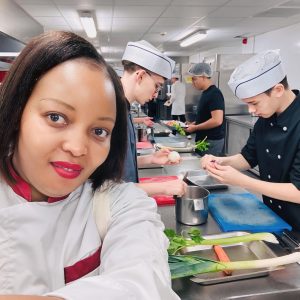

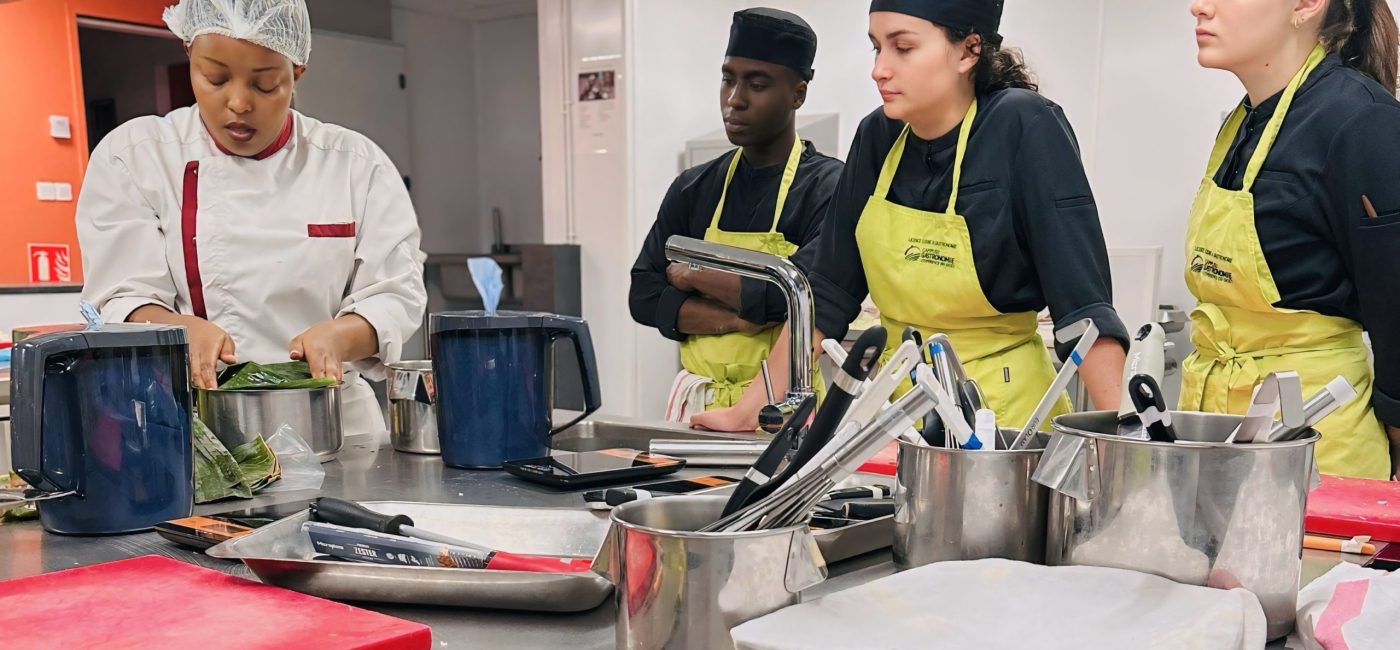
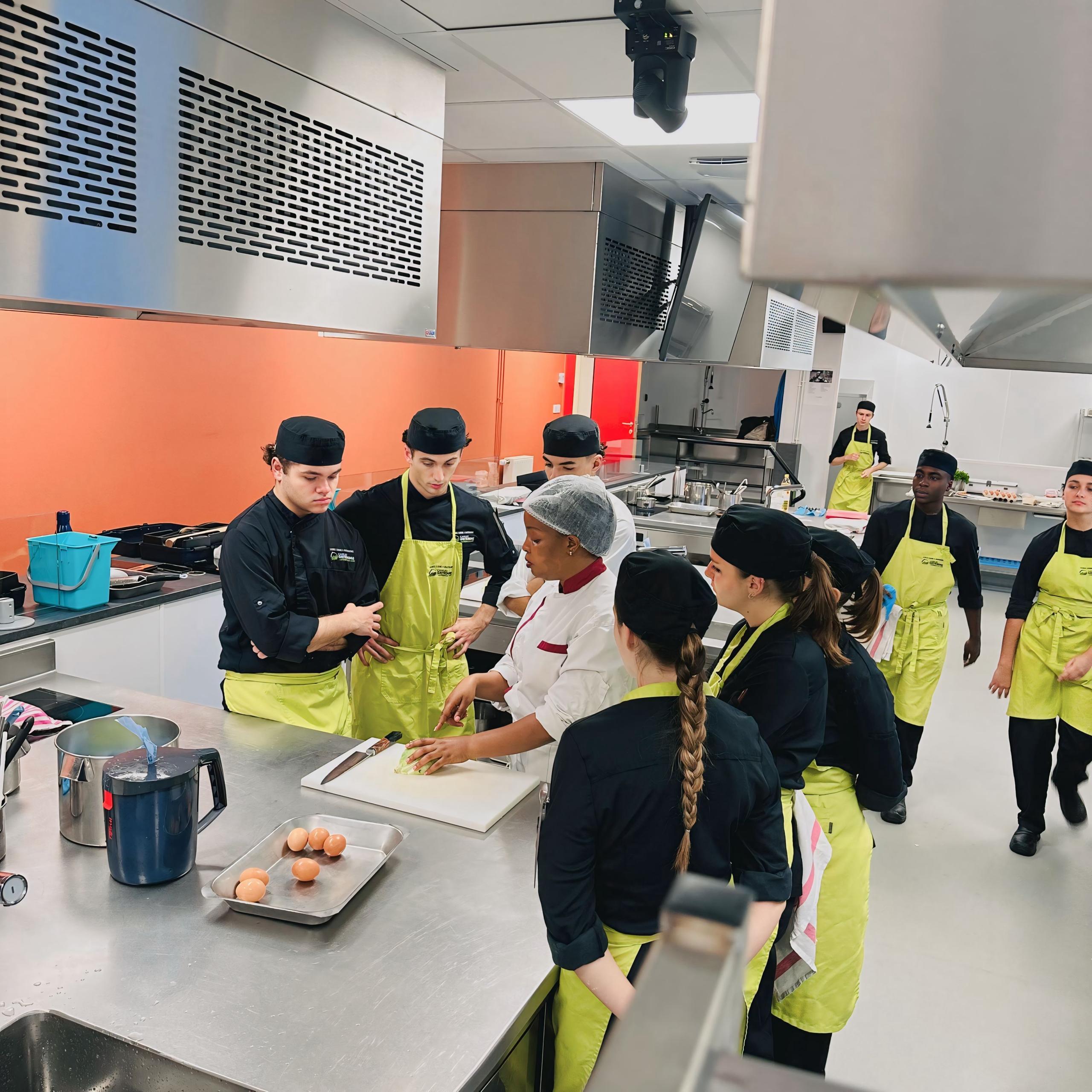
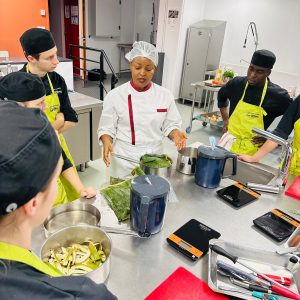
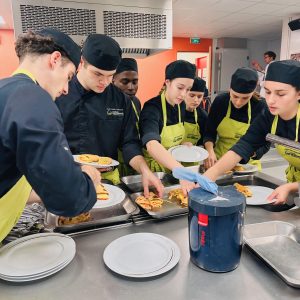
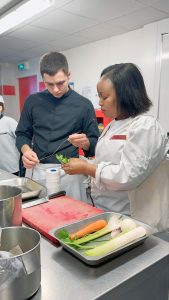
With my first leg of the journey complete, it was time to get to work. My cooking classes at the local school were a chance to share the flavors of my home. The students were a wonderful, enthusiastic group, and I was excited to introduce them to Ugandan cuisine. I taught them how to make Matooke (steamed green bananas), mingled posho (a mixture of posho and beans), a rich and creamy groundnut sauce, and our beloved chapati rolls. The students were incredibly excited, their curiosity and eagerness to learn lighting up the kitchen. To my delight, they took the concept of resourcefulness to heart and, with the leftover ingredients, created their own unique dishes, a beautiful fusion of Ugandan and French flavors. It was a rewarding moment, seeing them not just replicate recipes but truly engage with the spirit of the food.